Alatri

image

image


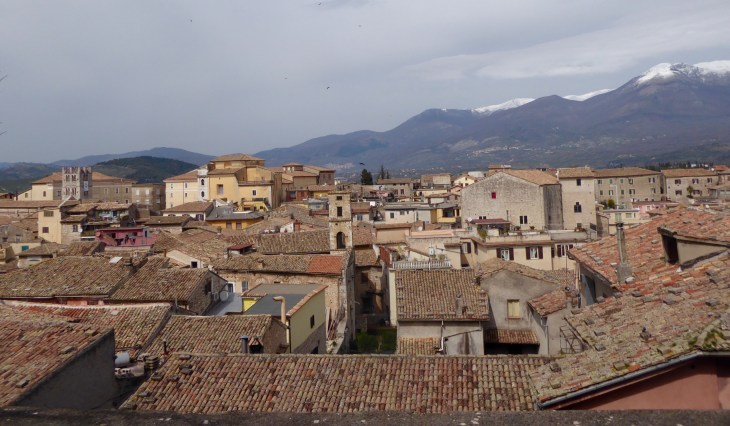
We took a day to visit the ancient hill town of Alatri which lies about 55 miles south east of Rome. Well worth a visit if you are in the Italian region of Lazio.

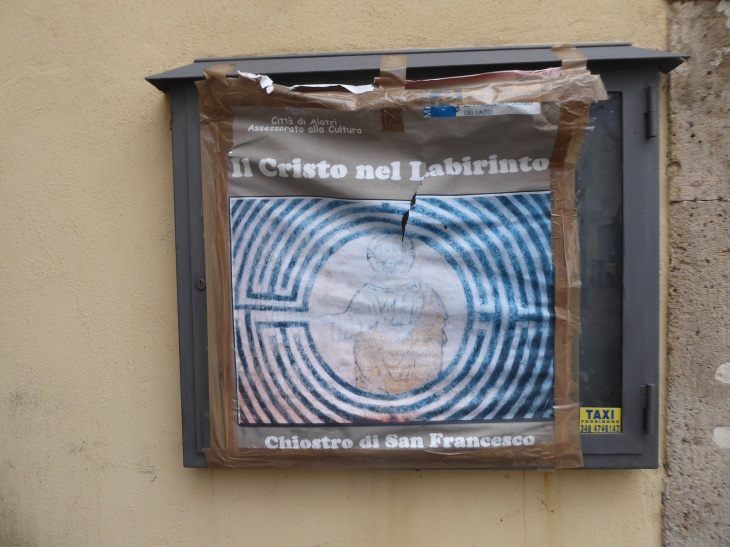
The main focus of the trip was to see the early medieval fresco of ‘Christ in the Labyrinth’ which was discovered in the late 90’s behind a false wall during repairs to the cloister of the 13th century Church of St Francis. It is a significant fresco as it is the only known labyrinth fresco with the image of Christ in the centre (the image you see is a rather tatty poster as it is not possible to show the fresco in the public domain).

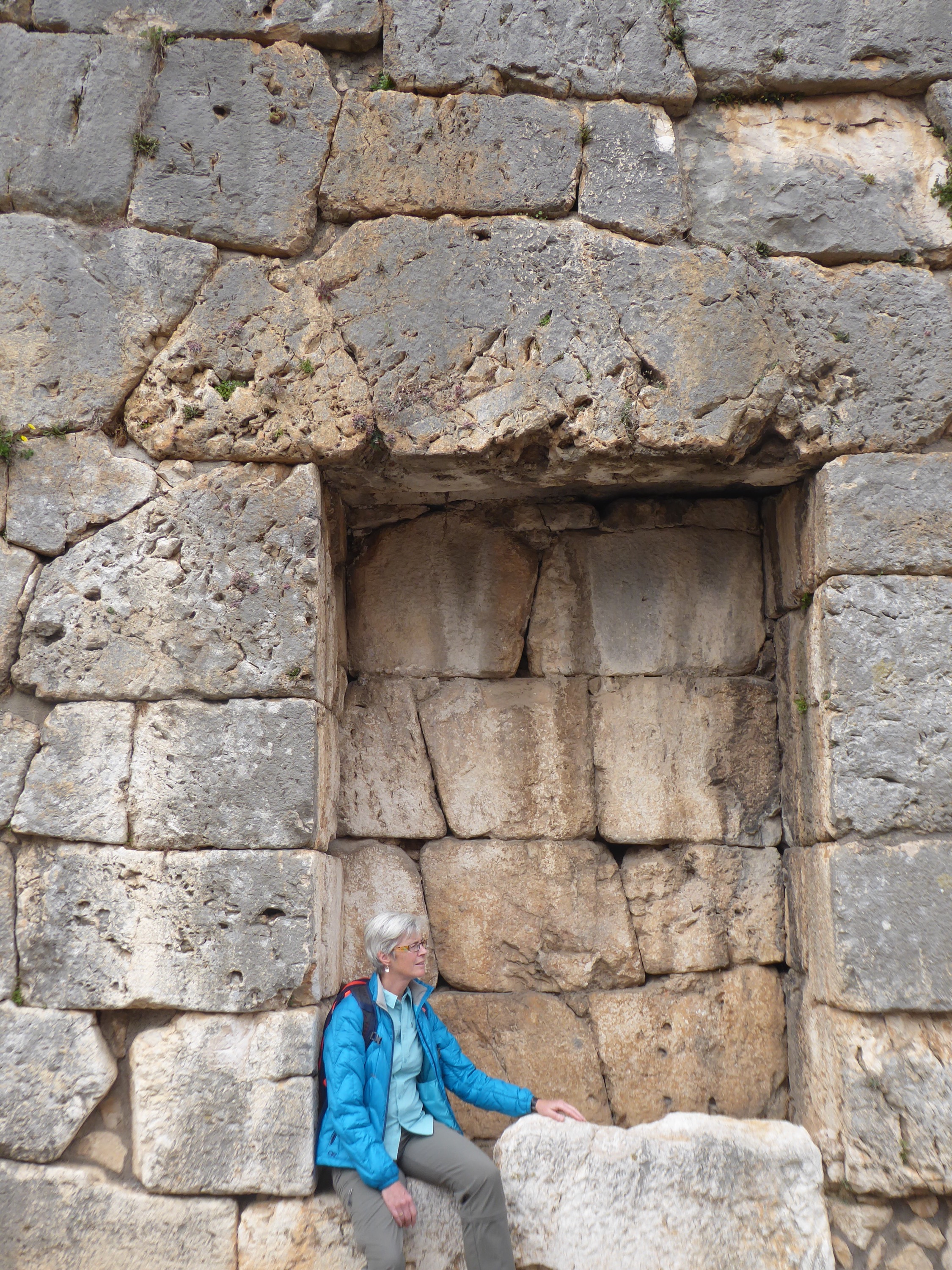
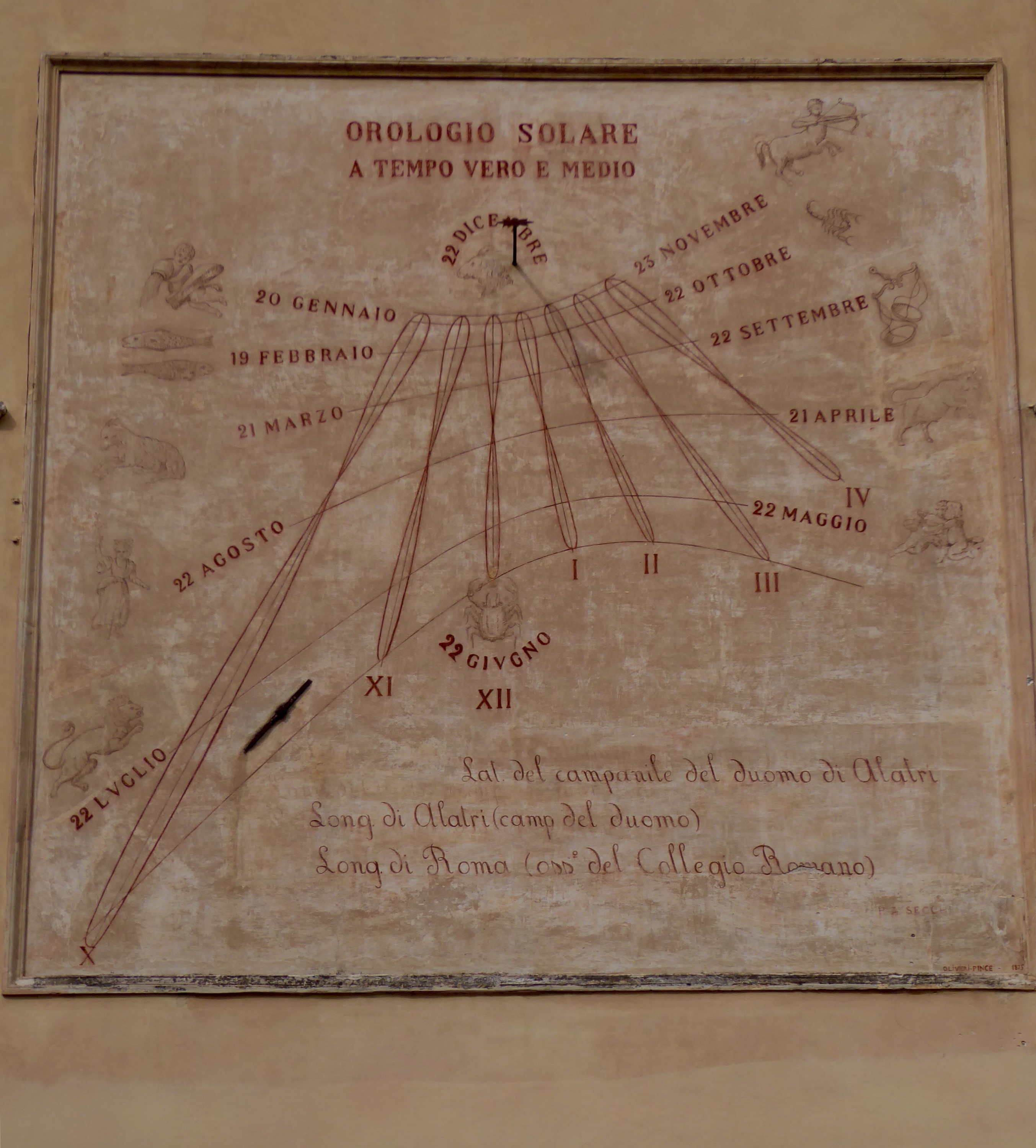
A bonus for us was to discover massive polygonal megalithic walls which originally surrounded the built up area of the town in the 7th century BCE when it was the home of the Hernici tribe. In the Palazzo Conti-Gentili we also found a fascinating sundial by Angelo Secchi which marked the time by months. As it was the day of the spring equinox we got an exact reading for March 21st.

Many thanks for the kindness and hospitality of those who helped us get access to the labyrinth and showed us the ancient walls.  www.alatricultura.wordpress.com
Palm

image

image

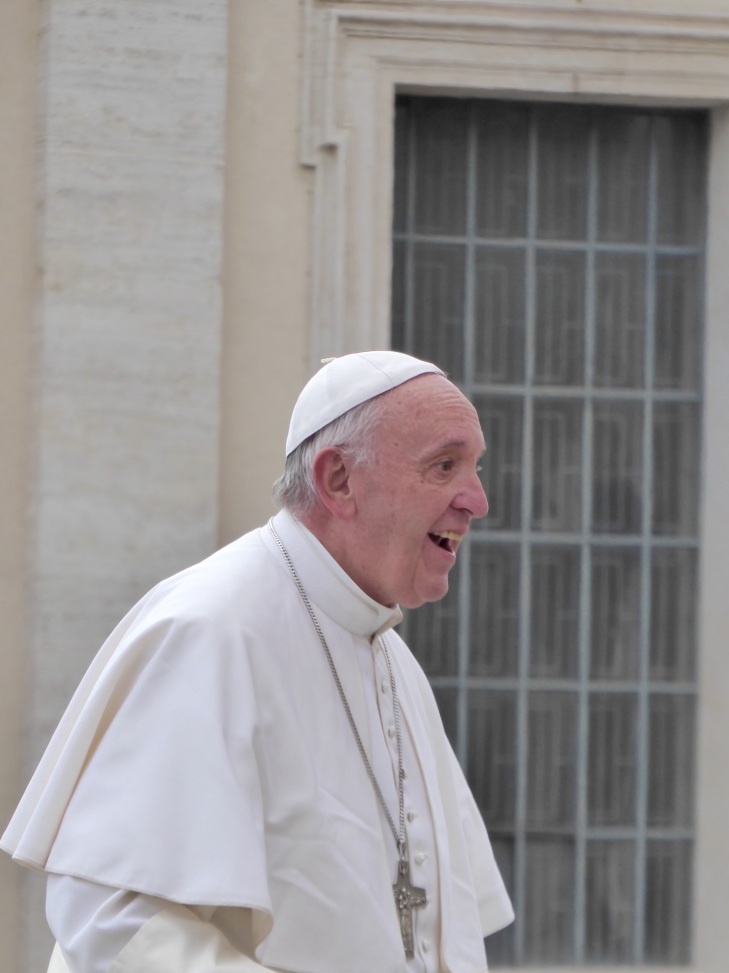
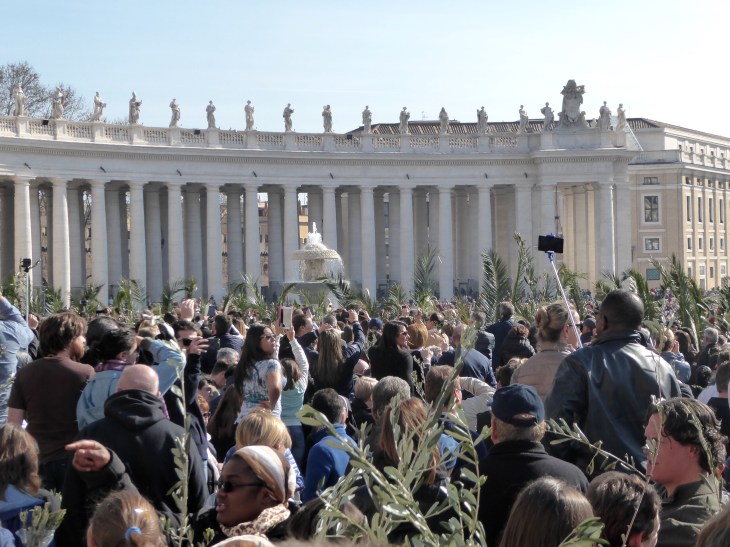
We found palms in a bundle in the street on the way to the Palm Sunday Eucharistic celebration in St Peter’s Basilica.

It was a surprisingly simple service with times of deep silence, beautiful music and a palpable sense of joy amongst many of those crowded into St Peter’s Square.

Pope Francis spoke gently of the humble love which gives life. We left to walk the lanes of Trastevere with warmed hearts.

Via Appia Antica

We visited the Catacombe di Santa Domitilla, one of the largest of several catacombs in the southern part of Rome. It was particularly moving for us to witness the tombs of Christians who died in the early centuries of the Common Era and to see frescoes of Christ, the apostles and St Petronilla, as well as symbols of the Christian faith inscribed in marble and now set into the walls of the tombs.

Back in the sunshine we enjoyed a walk along the Via Appia Antica (Old Appian Way) which was once the most famous of all the roads that radiated from Rome to the ends of the Roman Empire.

It was lovely to catch the sound of a busy woodpecker amidst the cacophony of birdsong and to sense the threshold of spring as we followed this ancient way.


Tarquinia

A wonderful day in the medieval town of Tarquinia. We wandered the winding, ancient streets then visited the Etruscan necropolis of Monterozz outside the town walls.

The necropolis has about 6,000 graves, the oldest of which dates to the 7th century BCE. About 200 of the gravestones are decorated with frescos and offer a fascinating insight into Etruscan life and death.

A visit to the National Museum of Tarquinia helped us appreciate the beauty of Etruscan art and sculpture, much of which was discovered as grave goods in the tombs.

St Quentin

Arriving in the town of St Quentin we immediately spotted a bronze shell set into the pavement. We followed the line of shells denoting an ancient pilgrimage route until the medieval Basilica came into view.

Set into the flagstone pavement at the west end of the nave lay a beautiful stone labyrinth. Walking the path was a reflective and intentional way to begin our travels in Europe.

City of Angels

image

image

We arrived in Bangkok this afternoon and after settling into our final room of this long trip, we took a ferry northwards up the Chao Phraya river to Tha Tien pier where we visited Wat Pho (Wat Phra Chetuphon). It is the oldest and biggest temple in the city and known for its huge 46m long and 15m high Reclining Buddha.

It was particularly noisy in the temple courtyards with Chinese New Year celebrations taking place. The relatively quiet space near the Buddha was refreshingly quiet and peaceful.


Doi Suthep temple

image

image

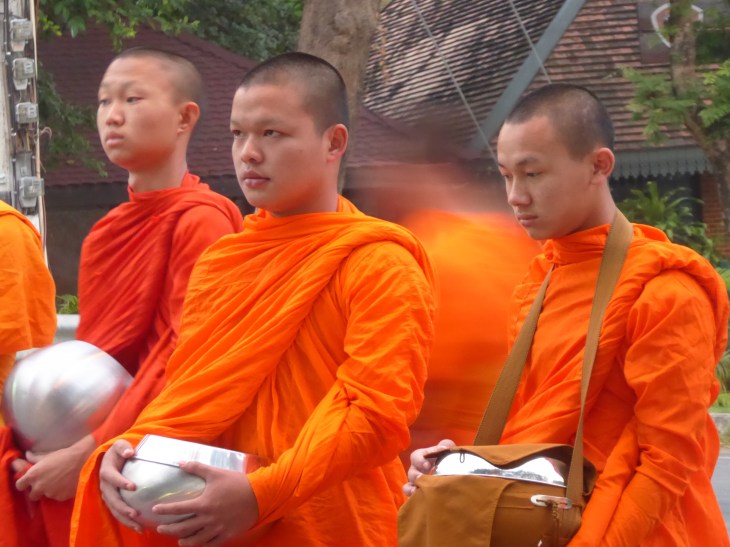
Up before dawn to witness the monks receiving the hospitality of those who filled their food bowls and who in turn received a chanted blessing. We were struck by the humility of the monks and the respect of those who cared for them.

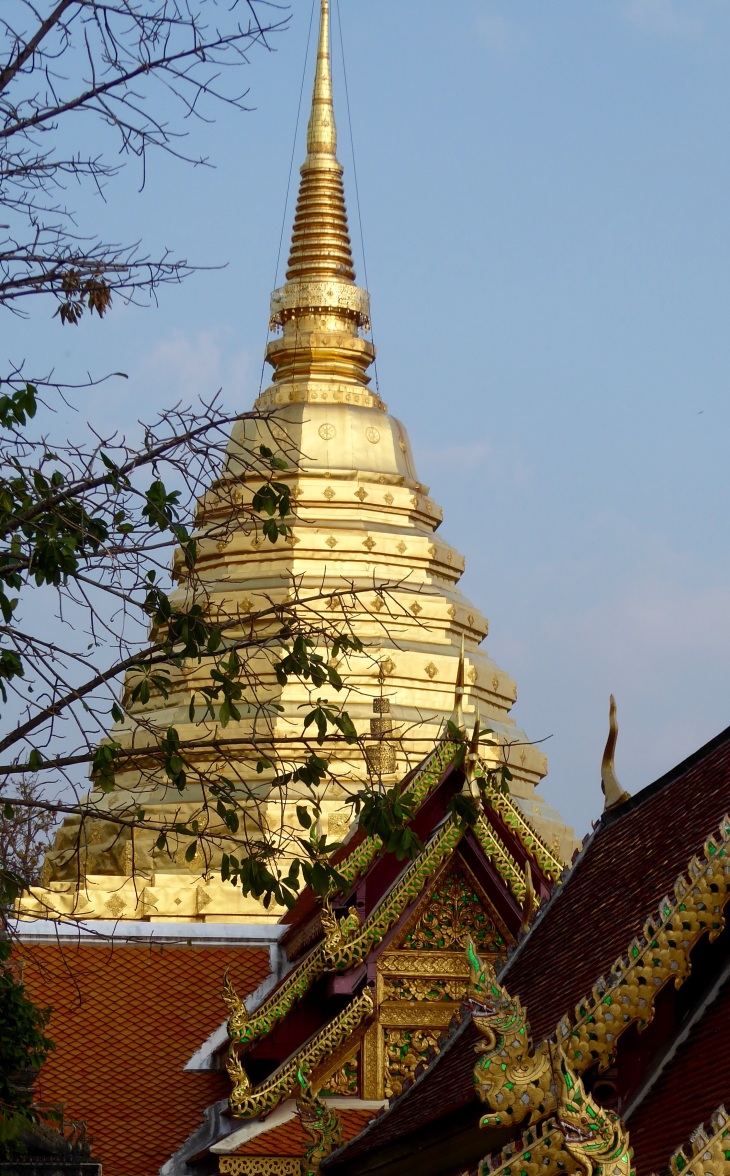
Then we drove up the mountain to the Wat Phra That Doi Suthep theravada temple in Chiang Mai province. We relished the stillness of the early morning before many people arrived to visit and to pray.

Paths of joy

image

image

image

image

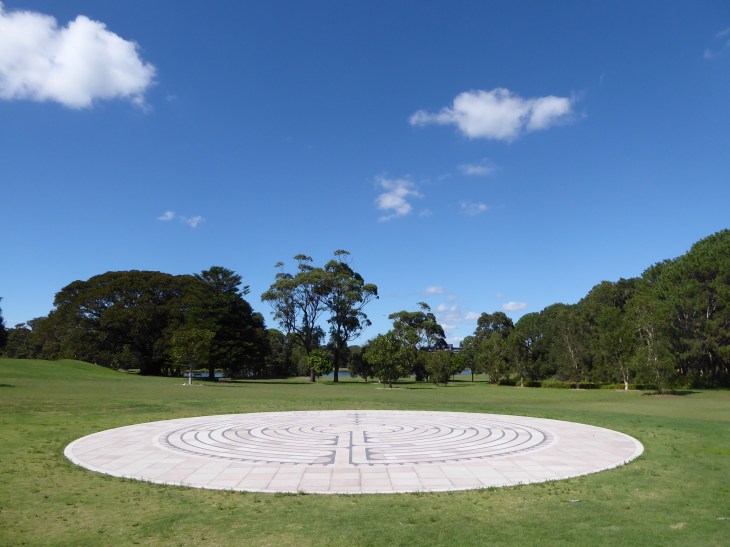
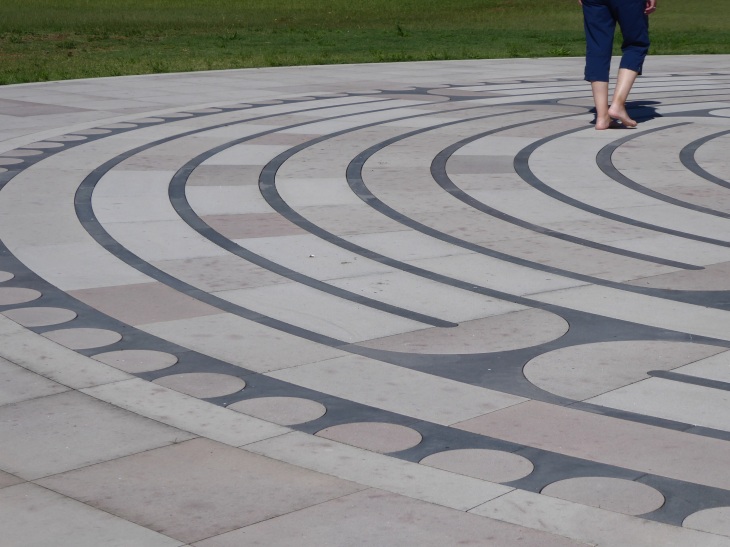
Met up with a wonderful woman who has fundraised to have a labyrinth put into Centennial Park, Sydney. It is one of the most beautiful labyrinths we have walked. A lovely way to bring into the conscious mind all that we have experienced on our journey thus far.

Good to see and hear cockatoos again and to encounter huge ginger fruit bats in the stand of Paper Bark trees close by the labyrinth.

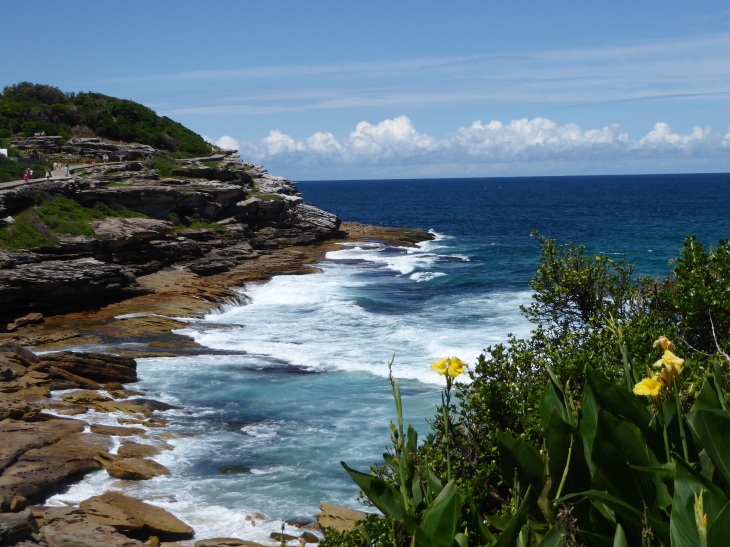
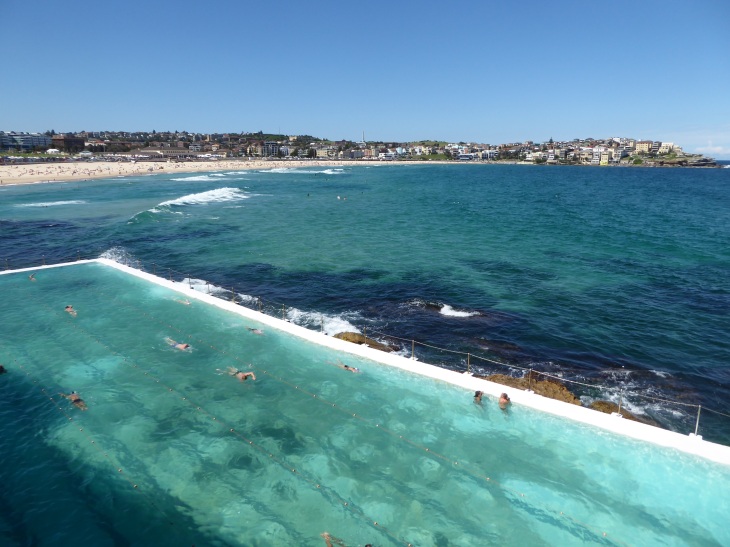
We spent the afternoon walking from bay to bay along the coast. Impressive surf at Bondi beach.

E noho rā


Our last full day in New Zealand began at Eucharist in Christchurch Transitional Cathedral. We left there to search out a labyrinth built out of the bricks of a nearby church destroyed in the 2011 earthquake. We walked in thanks and hope and weeded the path as a gesture of solidarity.

We say goodbye (e noho rā) to all we have met on our travels here and leave with deep gratitude for all we have received.